
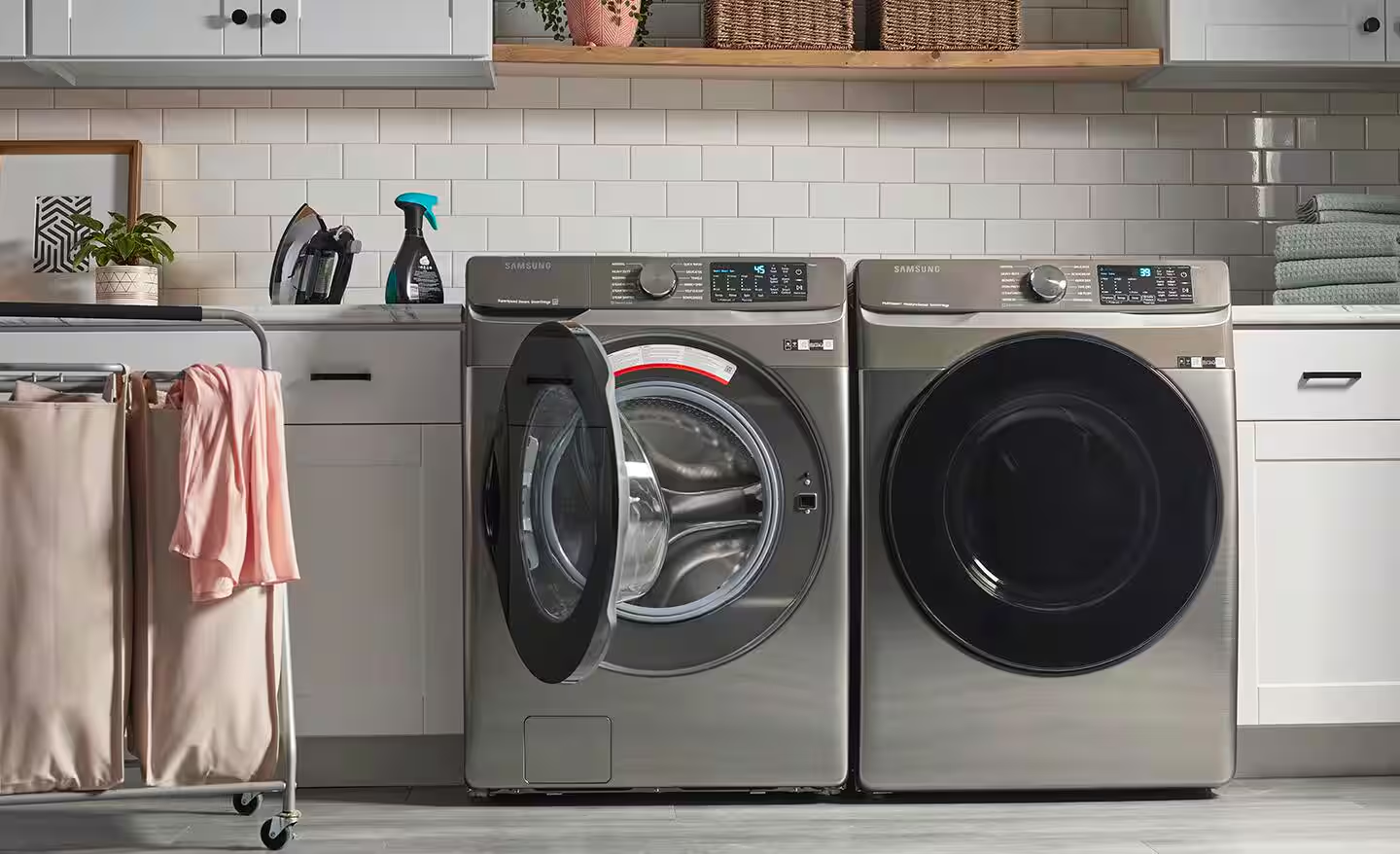
Choosing the best rated washer for your home can be a daunting task. With countless models available, varying in size, features, and price, it’s essential to understand what makes a washer ideal for your household. Washing machines have evolved dramatically over the years, now offering energy-efficient options, smart technologies, and versatile capacities to suit different needs. This guide from Deep Dive Picks will explore top-loading washers, front-loading washers, and washer-dryer combinations to help you make a confident decision.
Understanding Washer Types
Selecting the best rated washer starts with knowing the main types of washing machines available. Each type has its advantages and disadvantages depending on your laundry habits, space, and budget.
Top-Loading Washers
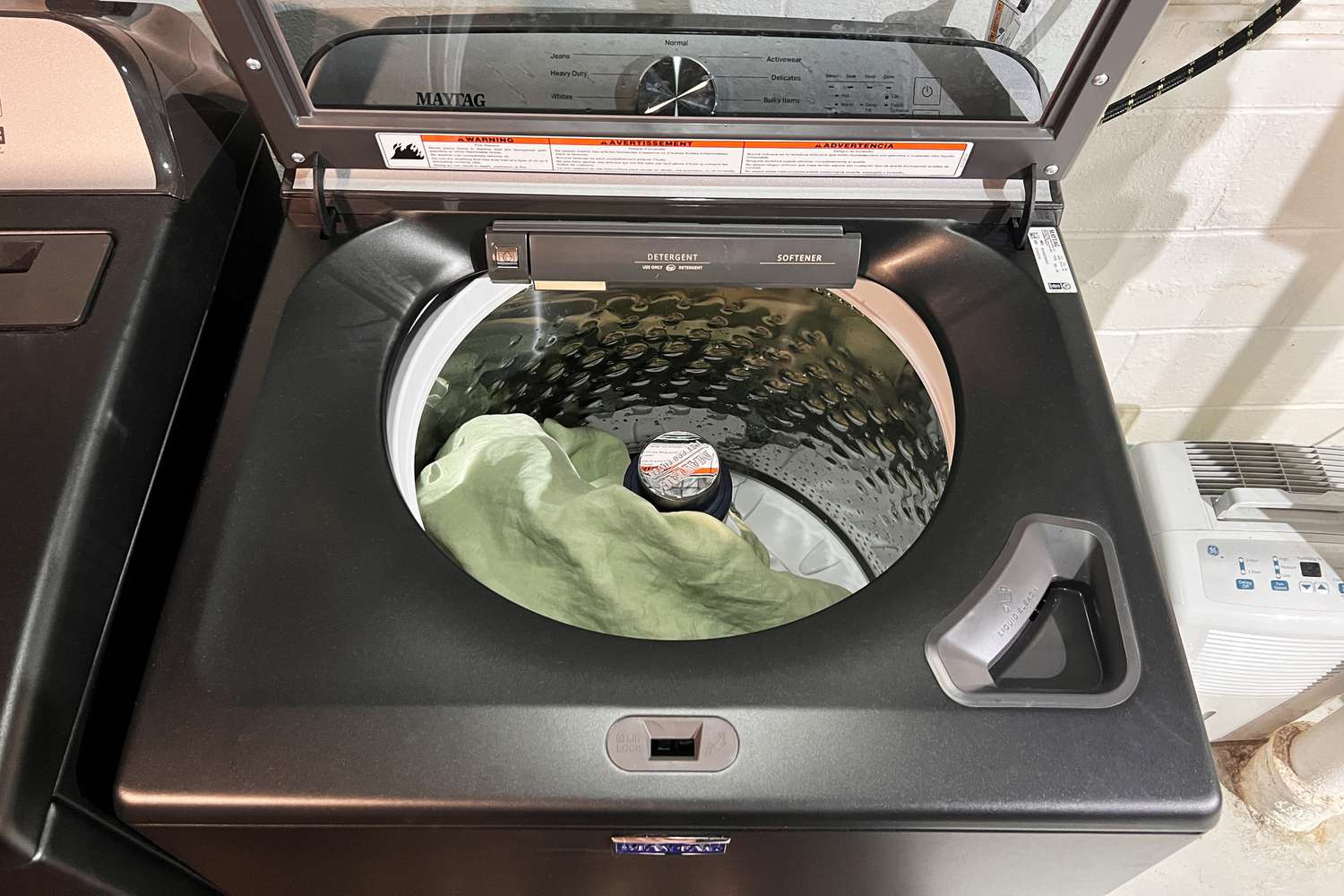
Top-loading washers are the traditional style with a lid on the top, allowing clothes to be loaded vertically.
Advantages of Top-Loading Washers
- Faster wash cycles compared to front-loading machines
- Easier to load and unload without bending over
- Generally less expensive upfront
Disadvantages of Top-Loading Washers
- Higher water and energy usage
- Can be rougher on delicate fabrics
- Limited spin speed in some models
Top-loading washers are ideal for families who do frequent laundry and prefer convenience over energy efficiency. For instance, a family with young children may benefit from a large-capacity top loader to handle heavy laundry loads efficiently.
Front-Loading Washers
Front-loading washers feature a door on the front and use a horizontal drum that tumbles clothes through water.
Advantages of Front-Loading Washers
- Uses less water and energy, making them eco-friendly
- Gentle on clothes, reducing wear and tear
- Higher spin speeds extract more water, shortening drying time
Disadvantages of Front-Loading Washers
- Usually more expensive than top-loading washers
- Longer wash cycles
- Requires bending or a pedestal for easier loading
Front-loading washers are perfect for small households or environmentally conscious users who want high efficiency and excellent cleaning performance.
Washer-Dryer Combos
Washer-dryer combos combine a washing machine and dryer into a single unit, ideal for homes with limited space.
Advantages of Washer-Dryer Combos
- Saves space by combining two appliances
- Convenient for apartments or homes without a separate laundry room
- Offers automated wash and dry cycles
Disadvantages of Washer-Dryer Combos
- Slower than separate washer and dryer units
- Smaller capacity for drying compared to washing
- Often more expensive and prone to maintenance issues
These machines are particularly suitable for urban dwellers or small households who want convenience without sacrificing functionality.
Key Features to Look for in the Best Rated Washer
Finding the best rated washer involves more than just choosing a type. You need to consider features that affect performance, efficiency, and longevity.
Capacity and Load Size
Washers come in various capacities, measured in kilograms or pounds. Large-capacity machines are perfect for families with heavy laundry loads, while smaller units are sufficient for singles or couples. Consider your household size, laundry frequency, and types of clothing you usually wash.
Energy Efficiency
Energy-efficient washers reduce electricity and water usage, saving money in the long term. Look for models with ENERGY STAR ratings or other certifications that indicate superior efficiency.
Wash Programs and Cycles
Modern washers offer multiple wash programs for different fabrics and soil levels. Features like delicate cycles, heavy-duty cycles, and quick washes can make a big difference in convenience and care for your clothing.
Noise and Vibration Reduction
Quiet operation is crucial for homes where the washer is near living spaces or bedrooms. Models with vibration reduction technology ensure minimal disturbance during operation.
Smart Technology Integration
Some washers come with Wi-Fi connectivity, allowing you to monitor cycles from your smartphone. Smart features may include automatic detergent dispensing, cycle notifications, and maintenance alerts.
Real-Life Examples of Top-Rated Washers
Several washers consistently earn high ratings for performance and reliability. Here are a few examples:
- Top-Loading Example: A popular 5.0 cubic feet top-loader offers rapid wash cycles, energy-efficient operation, and a large drum suitable for families.
- Front-Loading Example: A 4.5 cubic feet front-loader features steam cleaning, multiple cycles, and ultra-quiet operation, ideal for eco-conscious households.
- Washer-Dryer Combo Example: A compact washer-dryer combo that handles small to medium loads with convenient automated cycles, perfect for apartments.
These examples illustrate how different washers cater to different household needs while maintaining high satisfaction ratings.
Maintenance Tips for Longevity
Owning the best rated washer also involves proper care to ensure long-lasting performance.
Regular Cleaning
Clean the drum, detergent dispensers, and filter regularly to prevent mold, odor, and clogs. Using a washing machine cleaner once a month helps maintain optimal hygiene.
Avoid Overloading
Overloading a washer can strain the motor and reduce cleaning efficiency. Follow manufacturer recommendations for load sizes to protect your machine.
Use Recommended Detergents
High-efficiency (HE) washers require HE detergents to prevent excessive suds and ensure proper cleaning. Using the wrong detergent may cause buildup and reduce machine lifespan.
Inspect Hoses and Connections
Periodically check hoses for leaks, cracks, or wear to avoid water damage. Replace old hoses every 3–5 years to maintain safety.
Tips for Choosing the Right Washer
Selecting the best rated washer involves matching features with your lifestyle and preferences.
- Evaluate your laundry volume and household size
- Consider space limitations and installation options
- Compare energy and water efficiency ratings
- Read user reviews and professional ratings
- Determine your budget and prioritize features accordingly
By following these tips, you can make a choice that balances convenience, efficiency, and reliability.
Common Mistakes to Avoid
Even when aiming for the best rated washer, certain mistakes can hinder satisfaction.
- Choosing the cheapest model without considering efficiency
- Ignoring washer size and capacity requirements
- Overlooking maintenance and warranty options
- Failing to research noise levels or vibration issues
Avoiding these pitfalls ensures that your investment in a high-quality washer provides years of reliable service.
Choosing the Right Capacity for Your Household
Small vs. Large Loads
Selecting the best rated washer depends on your household’s laundry volume. Small loads are perfect for singles or couples, while larger families benefit from a washer with bigger capacity. The best rated washer accommodates your needs without wasting energy or water.
Frequency of Use
Consider how often you do laundry. A high-capacity best rated washer is ideal for frequent use, while occasional users may find smaller models sufficient. Choosing the right washer ensures efficient cleaning every time.
Energy Efficiency and Savings
Understanding Energy Ratings
The best rated washer should have high energy efficiency, saving electricity and water. Look for ENERGY STAR certifications to identify models that reduce utility costs. An energy-efficient best rated washer benefits both your wallet and the environment.
Long-Term Cost Benefits
Investing in an energy-efficient best rated washer reduces monthly expenses and supports sustainable living. Even if the upfront cost is higher, the savings from lower water and electricity bills make the best rated washer a smart choice.
Key Features to Consider
Wash Programs and Settings
Modern best rated washer models come with various wash programs. Delicate cycles, quick washes, and heavy-duty options ensure your clothes receive the right care. Choosing the best rated washer with multiple settings enhances convenience and cleaning efficiency.
Smart Technology Integration
Some best rated washer machines include Wi-Fi connectivity, automatic detergent dispensing, and maintenance alerts. Smart features make a best rated washer more user-friendly, providing convenience and control from anywhere in your home.
Durability and Maintenance
Build Quality
A long-lasting best rated washer is made with durable materials and reliable motors. Investing in a high-quality best rated washer ensures years of dependable performance, reducing the need for frequent replacements.
Regular Care and Upkeep
Maintaining your best rated washer involves routine cleaning, checking hoses, and avoiding overloading. Proper care extends the lifespan of your best rated washer, keeping it efficient and trouble-free for years.
Conclusion
Choosing the best rated washer for your home requires careful consideration of type, capacity, energy efficiency, and additional features. Top-loading washers offer speed and convenience, front-loading washers excel in efficiency and gentle cleaning, and washer-dryer combos save space without compromising functionality. By understanding your household needs, comparing models, and prioritizing quality features, you can select a washer that enhances your laundry routine and fits seamlessly into your home. With the right decision, doing laundry becomes efficient, convenient, and even enjoyable. Your next great read is waiting on our homepage—check it out now.
FAQs
What is the most energy-efficient type of washer?
Front-loading washers are generally the most energy-efficient. They use less water and power while maintaining excellent cleaning performance, making them ideal for eco-conscious households.
How often should I clean my washer?
It’s recommended to clean your washer once a month. Regular cleaning of the drum, filter, and detergent dispensers prevents odors, buildup, and ensures long-term performance.
Can a washer-dryer combo handle large loads?
Washer-dryer combos typically have smaller drying capacities than washing capacities. They are best for small to medium loads, making them suitable for apartments or smaller households rather than large families.